
Iris Protocol
Iris Protocol writes dance music as a set of instructions the body already knows. Protocol is strobe logic: four-on-the-floor, blooming drops, and a handshake with the lights.
The names below come from MuxQue Player. Edit a bio or photo in the player’s Artists screen and it shows up here.
Iris Protocol writes dance music as a set of instructions the body already knows. Protocol is strobe logic: four-on-the-floor, blooming drops, and a handshake with the lights.

Kinfolk Radio is folk folded into late-night AM: close mics, paper moons, kitchen chairs. Folded Light is the living-room record — family harmonies and a borrowed nylon guitar.

Lumen & Vale make hush-and-glow records for late swims and lantern tempos. Still Lagoon is slow-bloom palmwave: tape hiss, soft percussion, and songs that take the long way home.
Mira Sol composes ambient current for rooms that need less noise and more air. Silent Current is held tones, distant weather, and a single piano that never hurries.
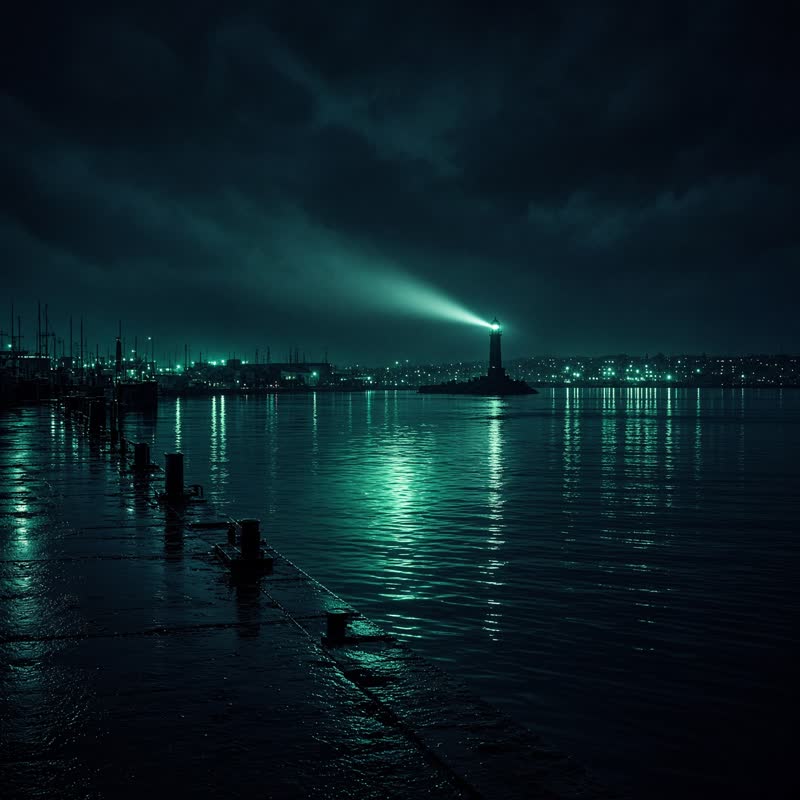
Neon Harbor writes after-dark electronics for wet pavement, dock lights, and the last train home. Harbor Nights is their city-hour catalog: analog bass, glass synths, and a pulse that never quite sleeps.
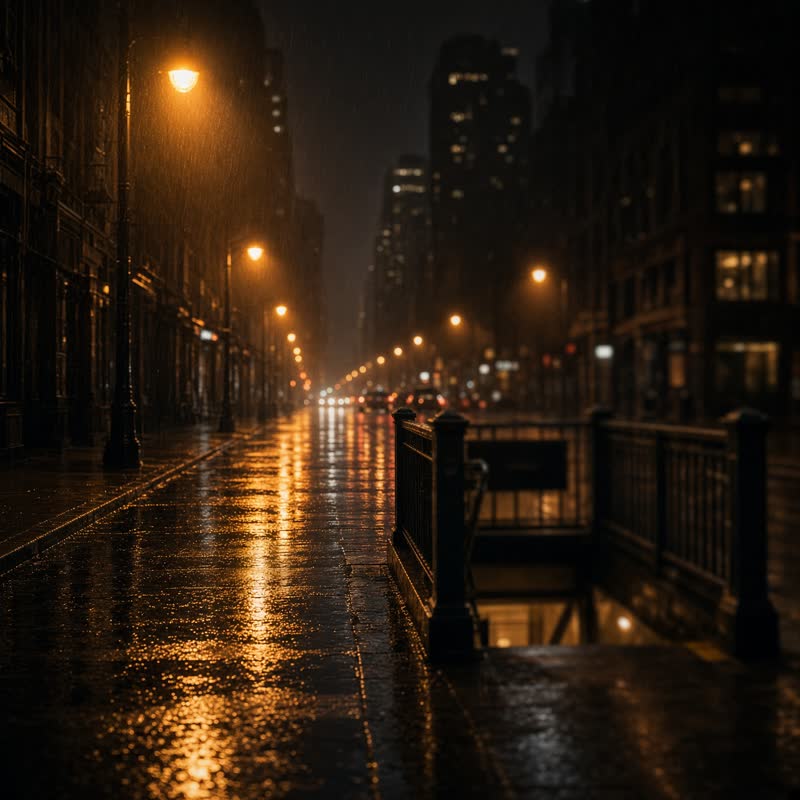
Night Operator keeps after-hours jazz on a velvet engine that never clocks out. After Hours is brushed drums, muted brass, and a bassline walking home at 3 a.m.

The Amber Line is dust-road indie from a van that still smells like coffee and copper wire. Dust Road collects songs written between towns, with open tunings and sun-bleached choruses.

Velo City scores gridlock: synthwave for night drives that never leave the overpass. Gridlock is chrome, brake lights, and a drum machine that refuses to yield.